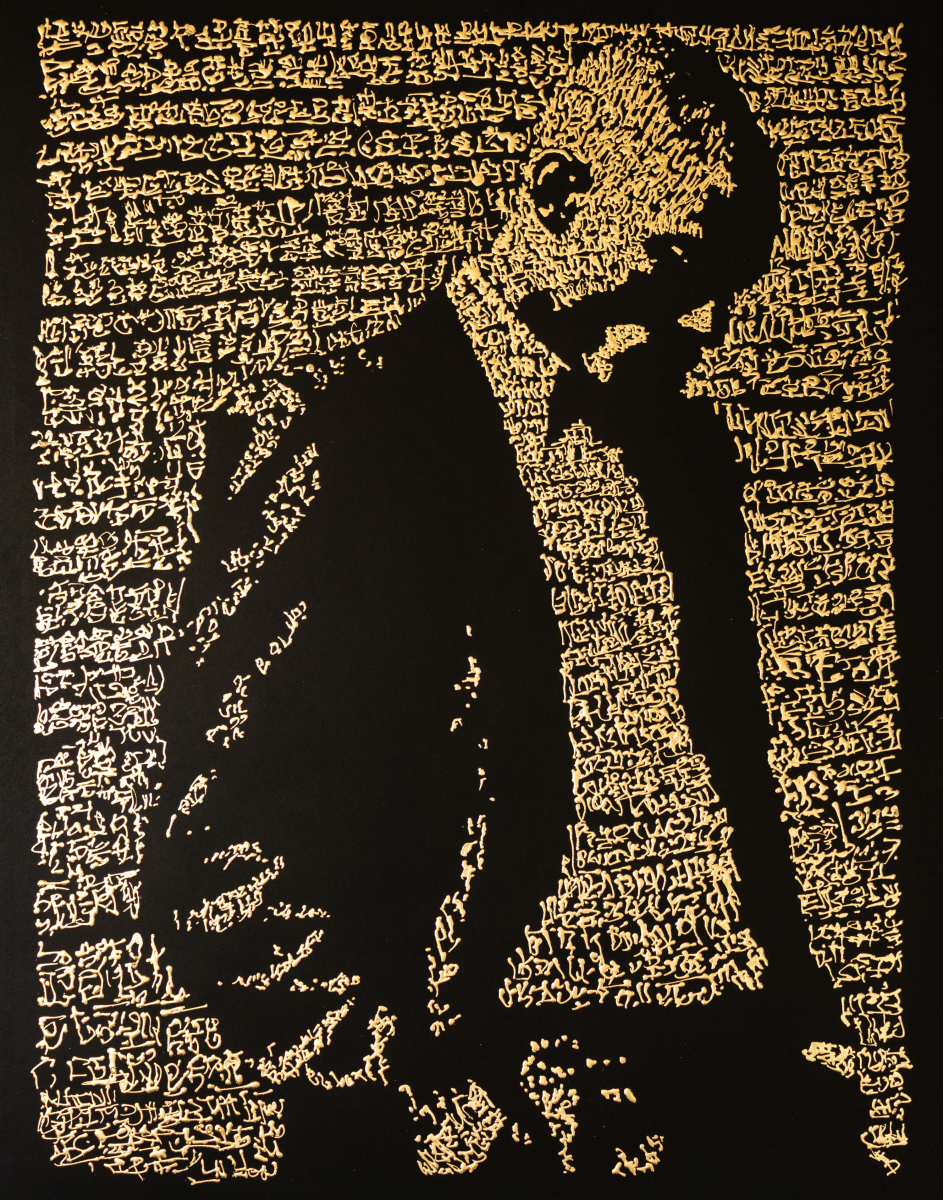
Water gilding emerged from the requirements of precious manuscripts. Medieval illuminated manuscripts demanded gold that would not tarnish over centuries. The solution was genuine gold leaf applied with water-based adhesive to properly prepared grounds. The technique was refined over hundreds of years because the stakes—preservation of text and image—were absolute.
Architectural frames and ornament also required water gilding. Large surface areas, exposure to light and humidity, the requirement for visual impact and durability—all of these pushed gilders to develop techniques that would last. The frames on medieval and Renaissance paintings, the ornament on furniture and religious objects, all employed water gilding.
Sacred objects demanded the highest technique because the work itself was meant to be permanent. Water gilding was the answer because it produced surfaces that truly lasted. The adhesion is permanent. The finish is responsive to light. The range of burnishing and detail possible with water gilding allowed for visual refinement that oil gilding could not match.
Contemporary water gilding is not a revival—it is a continuation of this tradition. The technique, refined over centuries, remains the highest standard because it delivers what those original makers required: permanence, beauty, and material authenticity.
These material choices are easiest to read in finished work: First palette and Jigsaw Jaws apply this thinking in gold leaf on a black ground. If you would like a piece made to your own scale and setting, you can commission a gold-leaf-on-black artwork.